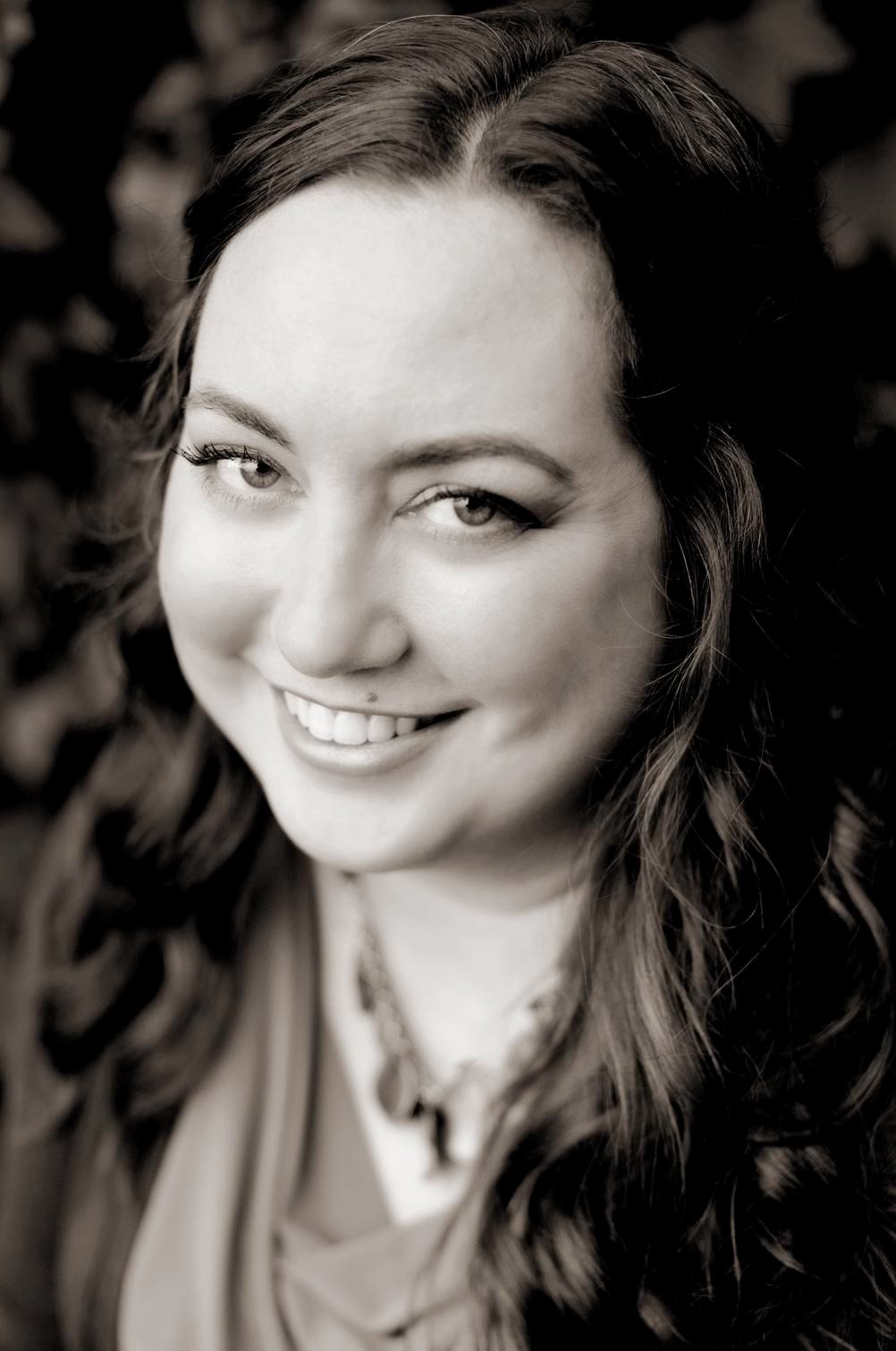
We are happy to welcome guest blogger Ilima Todd!
I’m currently revising book two in a planned trilogy. This is the first time I’ve written a series, and while I love revisiting favorite characters and a familiar world, it comes with its own set of challenges. I worry about consistency of character, satisfying fans of the first book, new and overarching story arcs, how much I need to remind readers of what happened in book one, etc.
My editor recently reminded me of another such challenge: the stakes should rise higher and higher with each book. Since I tend to write stories with a sci-fi bent—dystopias, apocalyptic, near-future, etc.—there’s usually some kind of worldwide conflict that may feel too big to grasp by the time book three comes around. So how do you keep your reader grounded enough to care about those enormous stakes? I think the key is that in order to go big, you have to stay small.
Think about blockbuster movies with the biggest stakes—ones in which the world will be destroyed if we can’t divert that meteor, or humanity will become extinct unless we fight off invading aliens. Audiences may not grasp the horror of an entire continent sinking into the ocean, but they will care about a character fighting to find his lost child. It may be hard to understand what losing one third of the world’s population feels like, but it’s easy to empathize when someone sacrifices her own life to save a dozen of her fellow soldiers.
Just like readers need to care about a character before they care what happens to him, I think they need to care about smaller stories within a world in order to care what happens to that world. ‘Interstellar’ is a recent favorite that does this well. In the movie, the world is dying and we need to find a new one, otherwise humans will become extinct. Stakes can’t get much higher than that. But what is it the viewer cares about most? It’s the fragile relationship of a man and his daughter. That’s the story we want resolved. And that’s what makes us care about what happens to the earth. Not the masses of people who might die, but the love of one little girl for her father.
So the next time you want to tackle a bigger than life story with a major, world-at-stake conflict, don’t be afraid. It can be done if you remember that in order to go big, it helps to stay small.
Can you think of other stories that do this well?
 Thinking Through Our Fingers